
Bringing Citizen Science into the Classroom: Why It Matters and How to Do It Well
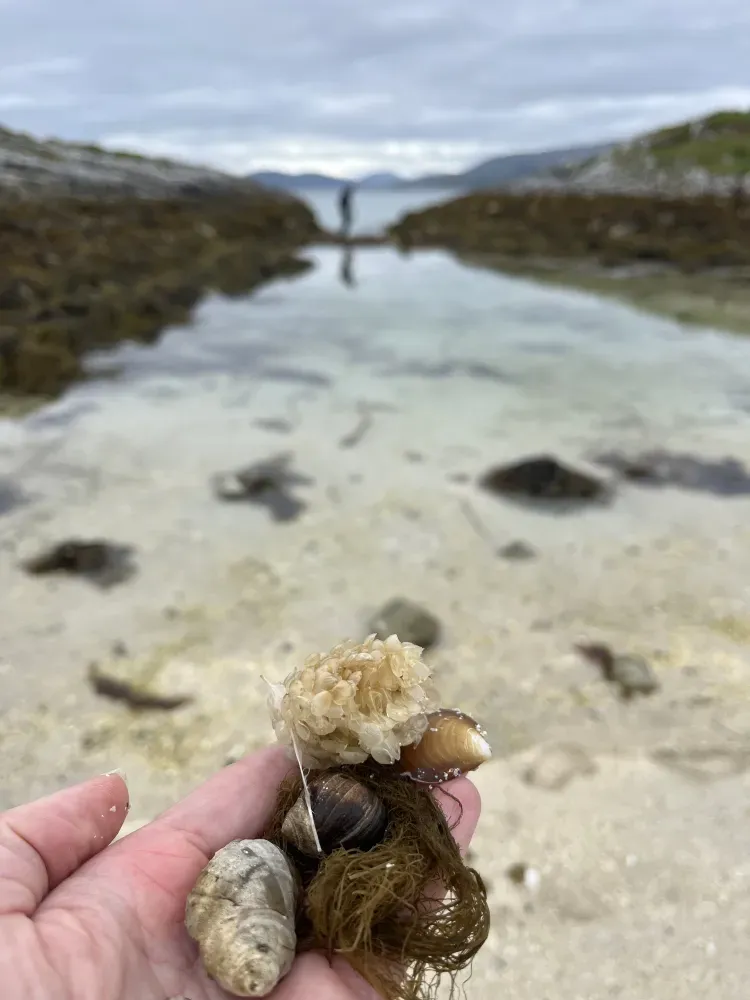
What is citizen science?
Citizen science has come a long way since the first projects in the late 1980s. One of the early examples is the Audubon Society’s acid rain project, which invited volunteers to collect and test rainwater samples, which helped with data collection and eventually, shaped environmental policies. Since then, citizen science has become a recognised way for the public to take part in real scientific work through collecting, categorising, and analysing data that feeds directly into research.
Today, citizen science spans fields from biodiversity to air quality and climate research. Digital tools have opened the door further, making it easier than ever for people of all ages to contribute observations and learn from the process. Platforms such as iNaturalist and Minka allow users to identify species, upload observations, and contribute to global datasets. For schools, this creates an opportunity to engage students in active, hands-on participation.
Why citizen science belongs in schools
Schools are ideal environments for citizen science. Pupils are already learning new ideas and developing their understanding of the world. Taking part in a real research project gives them a clear sense of purpose: their work matters beyond the classroom.

Research shows that involvement in citizen science can:
- Encourage pupils to ask questions, gather evidence, and evaluate findings.
- Strengthen environmental awareness through direct contact with local ecosystems.
- Boost engagement, particularly when pupils can see the impact of their contributions.
- Foster transferable skills such as critical thinking, communication, and digital literacy.
For many young people, participation in citizen science activities can spark long-term interest in STEM subjects.
How to plan a good citizen science activity?
A strong project balances scientific purpose with meaningful learning experiences. When you are planning a citizen science activity for schools, three elements are key:
- Engagement
Tasks should be simple enough for pupils to carry out confidently, but interesting enough to stimulate curiosity. Outdoor activities are efficient, as contact with nature encourages positive attitudes and sustained involvement. Technology, such as mobile apps for species identification, can enhance engagement, but pupils will need clear guidance to use it well. - Clear Purpose
Pupils are more motivated when they understand what they are working for. By reporting their findings for a researcher, or on platforms like Minka and iNaturalist, students can see how the data they collected can contribute to environmental and ecological research. - Strong Connection to Science
Citizen science projects can help pupils understand how data is collected, what makes it reliable, and how scientists use it. This, in turn, strengthens positive attitudes towards science, which is increasingly essential in today´s society. Collaboration with researchers can provide additional support and help teachers gain confidence in using inquiry-based approaches. Importantly, young people can produce high-quality data when expectations are clear, and support is in place.

Making a good citizen science activity lesson plan
School-based projects need to fit around timetables, resources, and varied levels of pupil motivation. The teacher’s role is central: pupils in school are not volunteers, so their engagement often depends on the way the activity is introduced and supported. Therefore, it is no wonder that many teachers worry that adding new activities will compete with limited time and tight curriculum demands.
Because citizen science actitivites can integrate observation, data skills, critical thinking, and real-world relevance, it reinforces core curriculum goals while offering a flexible structure that can be scaled to fit even short lessons or existing units.
Good planning is essential to minimize the workload. In your lesson planning, consider at least these elements:
- Time needed for data collection and follow-up activities. Will you collect the samples alone or will you take the pupils on a field trip?
- Suitable tools, digital or otherwise, and pupils’ familiarity with them. Do you have microscopes, is everyone expected to take photos of their findings or maybe you want pupils to collect samples or make an art project of the findings?
- Clear instructions, so pupils know exactly what to do and why. You know your group, so make sure you edit any ready-made plans accordingly.
- Are there any opportunities for reflection, such as discussing findings or sharing observations with families?
[Add a link to ready lesson plans]
Become part of the BiodivOcean project
Citizen science offers a practical way to connect classroom learning with real research and the world beyond school. Even a small first step, one short observation activity or a single contribution to a project can show pupils that their work has value and spark genuine curiosity. By starting simple, teachers can build meaningful scientific experiences that grow over time.
The BiodivOcean Erasmus+ project offers teachers free access to practical resources that support high-quality marine biodiversity citizen science activities in schools. These include ready-to-use lesson plans [link to https://www.virtue.gmbl.se/english-content/teaching-resources OR https://www.biodivocean.gmbl.se/teaching-resources], MOOCs [link to https://www.virtue.gmbl.se/course/virtue-s-courses ], and guidance to help you plan meaningful work with pupils of different ages. Whether you want a simple classroom exercise, plan for a field trip, or a group research project, the BiodivOcean Erasmus+ project provides tools that make it easier to bring authentic scientific inquiry into your teaching.
Good further readings about citizen science
Haklay, M., Dörler, D., Heigl, F., Manzoni, M., Hecker, S., Vohland, K., … & Ceccaroni, L. (2021). What is citizen science? The challenges of definition. The science of citizen science, 13(1), 34-51
Kaplan Mintz, K., Arazy, O., & Malkinson, D. (2023). Multiple forms of engagement and motivation in ecological citizen science. Environmental Education Research, 29(1), 27-44.
